Parker Vogel · 11 October 2026
Mapping Conversational Dynamics to Search Engine Prioritization in Collaborative Digital Spaces
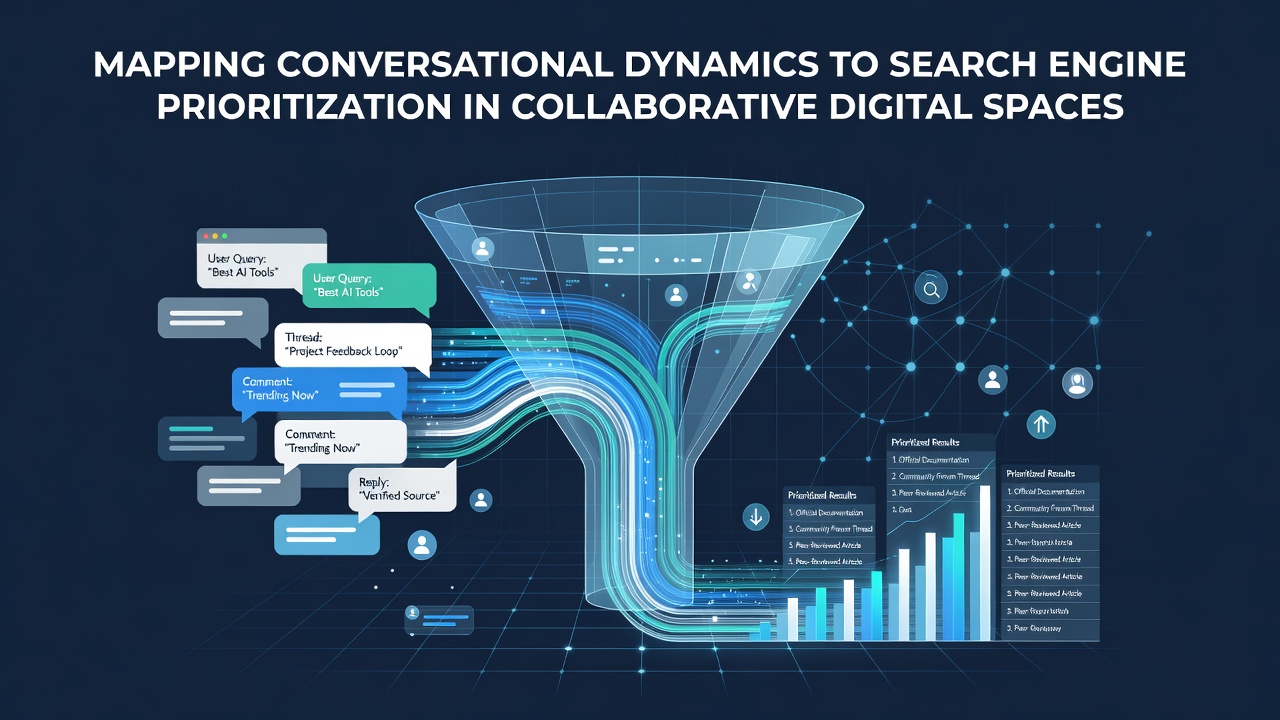
Collaborative digital spaces such as shared document platforms, enterprise wikis, and team discussion boards generate large volumes of content through ongoing interactions among participants, and search engines have developed methods to evaluate these exchanges when determining content priority. Researchers have tracked how patterns like response chains, keyword repetition across threads, and participant engagement levels correlate with higher visibility in search results for pages hosted on these systems. Data from platform analyses indicate that content emerging from sustained group dialogues often receives stronger indexing signals than static uploads because algorithms detect signals of relevance and freshness through conversational markers.
Core Elements of Conversational Mapping
Conversational dynamics include turn-taking sequences, topic shifts, and consensus indicators that participants leave in comment histories or edit logs, while search engine prioritization relies on factors such as crawl frequency, link equity distribution, and query match strength. Observers note that when multiple contributors build on each other's points within a single document or thread, the resulting content tends to accumulate internal references that search systems interpret as authority signals. Studies conducted by academic teams in North America have shown measurable increases in ranking positions for pages where discussion density exceeds average thresholds, particularly when those exchanges incorporate varied phrasing around core topics.
Engineers at major search providers have documented cases where collaborative content updated through repeated interactions receives priority boosts during routine indexing cycles. The process works because algorithms parse metadata from activity logs to assess content evolution, treating active discussion threads as indicators of ongoing relevance rather than isolated edits.
Platform Behaviors Observed in 2025-2026
During late 2025 and into 2026, several widely used collaboration tools introduced features that expose more granular conversation data to external crawlers. In October 2026, reports from European research consortia highlighted how these updates allow search systems to map discussion velocity directly to ranking adjustments across multinational team workspaces. Figures from industry monitoring services reveal that pages with high thread activity in shared environments often see crawl rates increase by factors tied to the number of unique contributors and the length of sustained exchanges.
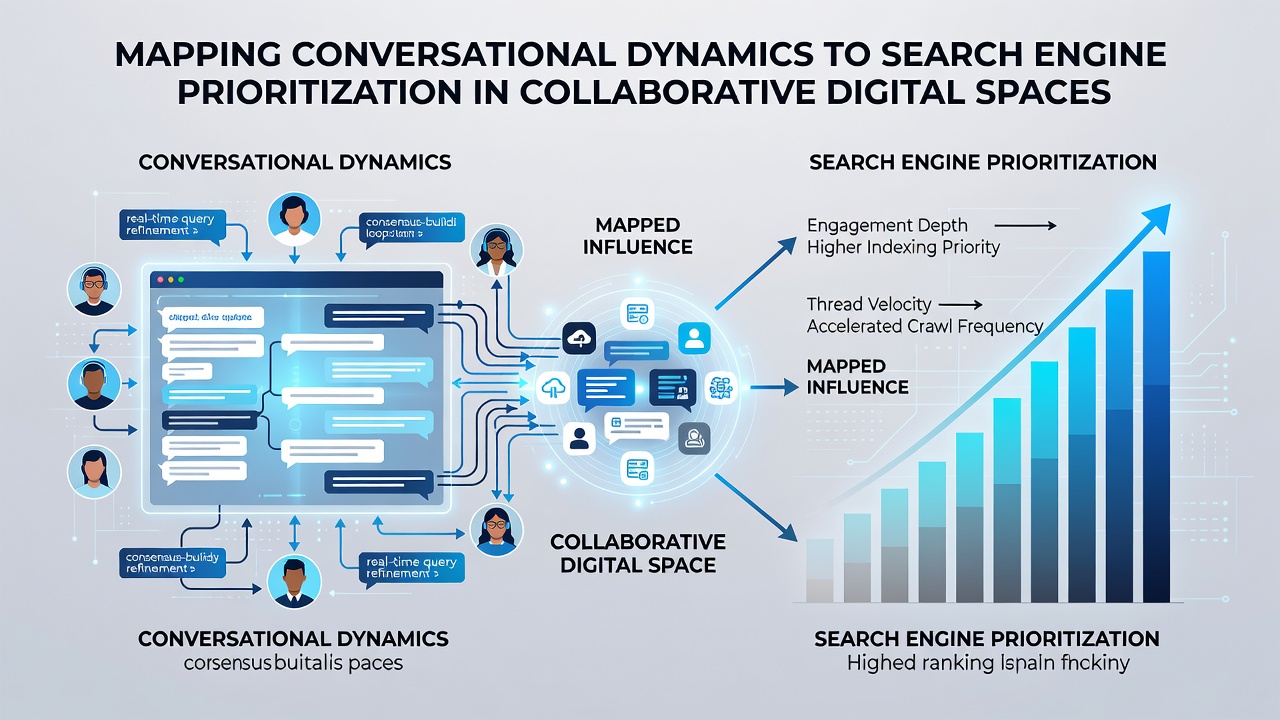
One documented pattern involves clusters of related comments that reinforce specific terminology, which search algorithms then match against user queries more effectively than standalone text blocks. Australian digital infrastructure studies have recorded similar outcomes where team forums that maintain active dialogue logs achieve stronger visibility in localized search indexes compared with archived materials lacking recent conversational layers.
Data Patterns and Algorithmic Responses
Analysis of large datasets from collaborative platforms shows that search engines assign higher priority when conversation structures include balanced participation across users rather than dominance by single voices. This distribution creates a wider range of anchor phrases and contextual references that algorithms use during ranking computations. Research papers from Canadian universities have quantified how the presence of follow-up questions and resolutions within threads correlates with reduced bounce rates once users land on the indexed pages from search results.
Engine updates released in early 2026 incorporated additional weighting for temporal conversation markers, such as timestamp clusters indicating rapid back-and-forth exchanges. These changes reflect broader efforts by providers to align indexing priorities with real-time collaborative activity rather than relying solely on traditional page-level metrics.
Integration Challenges Across Systems
Teams managing hybrid environments that combine internal collaboration tools with public-facing sites encounter variable results when conversational content flows between closed and open spaces. Observers report that search engines sometimes treat cross-posted discussion summaries as duplicate signals unless unique contextual layers differentiate the versions. European Commission digital reports from 2025 emphasize the need for structured metadata that preserves conversation provenance to maintain consistent prioritization across boundaries.
Implementation of consistent tagging practices helps platforms retain ranking advantages even when content migrates between collaborative and public domains. Data collected across multiple regions indicates that organizations maintaining clear conversation-to-content mappings experience steadier indexing performance over multi-month periods.
Conclusion
Mapping conversational dynamics to search engine prioritization continues to evolve as collaborative platforms expose richer activity data and search algorithms refine their interpretation of group interaction signals. Evidence from diverse studies demonstrates consistent relationships between discussion patterns and visibility outcomes, while platform changes scheduled around October 2026 further integrate these factors into standard indexing processes. Continued monitoring of these intersections provides clearer understanding of how collective digital exchanges shape content discovery in shared environments.