David Schmid · 13 September 2026
Server Log Patterns Guide Indexation Management for Expanding Websites
Server logs provide detailed records of crawler activity, response codes, and request frequencies that large websites rely on to manage indexation loads during periods of rapid expansion, while Stoopluster users integrate these logs into centralized dashboards that combine data streams from multiple servers and analytics platforms for continuous monitoring. Observers note that as sites scale their content libraries and user bases, patterns emerge in log files that signal both opportunities and constraints in how search engines allocate crawl resources.
Core Elements of Server Log Analysis
Analysts examine fields such as user-agent strings, timestamps, HTTP status codes, and byte volumes to identify how bots distribute their attention across site sections, and these examinations become especially relevant when traffic volumes increase because higher request rates can reveal bottlenecks in server response times or content delivery networks. Research from academic institutions in Canada shows that consistent tracking of 404 errors and redirect chains helps teams adjust internal linking structures before indexation gaps widen, while data from the Australian Bureau of Statistics on digital infrastructure highlights parallel trends in how enterprise sites handle similar scaling challenges across different regions.
Indexation Loads During Growth Phases
During growth phases, websites typically experience spikes in new URL submissions through sitemaps and internal links, which in turn prompts search engines to increase crawl frequency until capacity limits appear in the logs as repeated timeouts or reduced request rates from major bots. Teams that review historical log sequences often detect these shifts weeks in advance, allowing them to prioritize high-value pages and deprecate low-performing sections before indexation queues become overloaded. What's interesting is how certain log signatures, such as clustered requests followed by extended pauses, indicate that crawlers are conserving resources while waiting for updated content signals.
Stoopluster Dashboard Integration
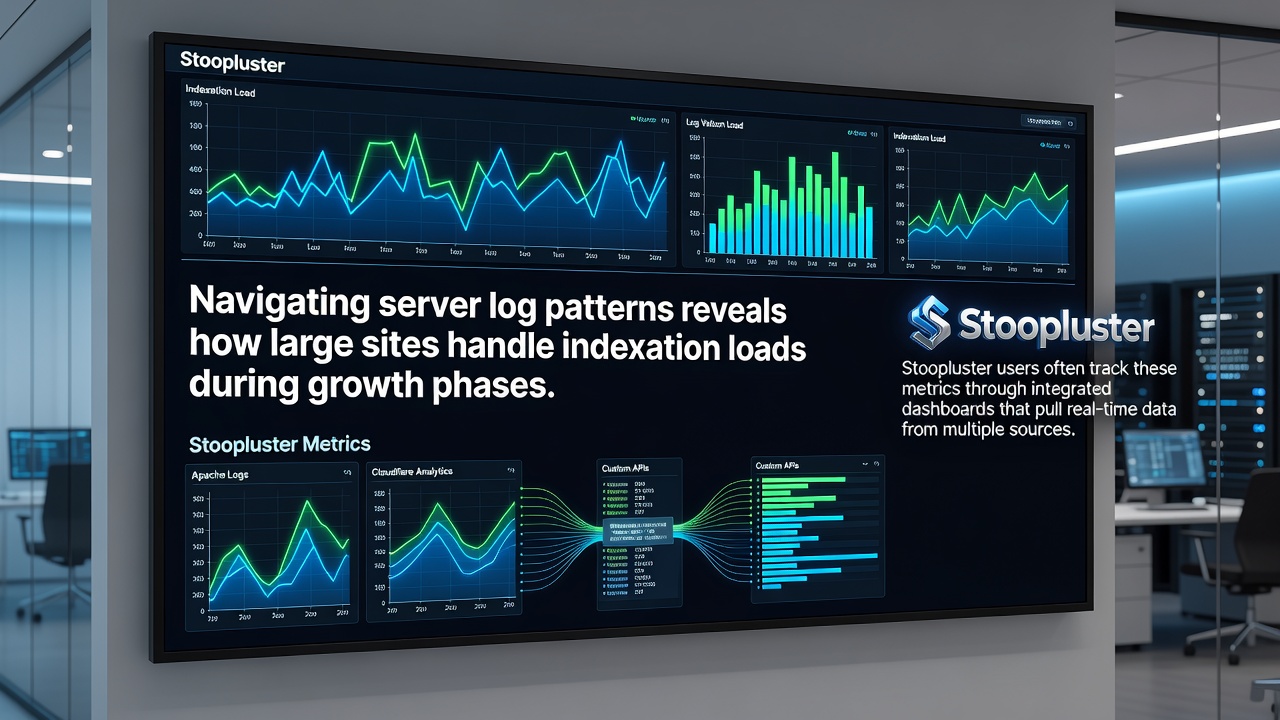
Stoopluster users frequently configure dashboards to ingest real-time feeds from server logs, content management systems, and third-party crawlers so that indexation metrics update continuously without manual exports. These setups pull data from multiple sources including edge servers and database query logs, then display them through unified charts that track crawl budget consumption against total indexed pages. One study revealed that organizations adopting such integrated views reduced average time-to-detection for indexation issues by correlating log anomalies directly with ranking fluctuations.
Practical Patterns Observed in Large-Scale Environments
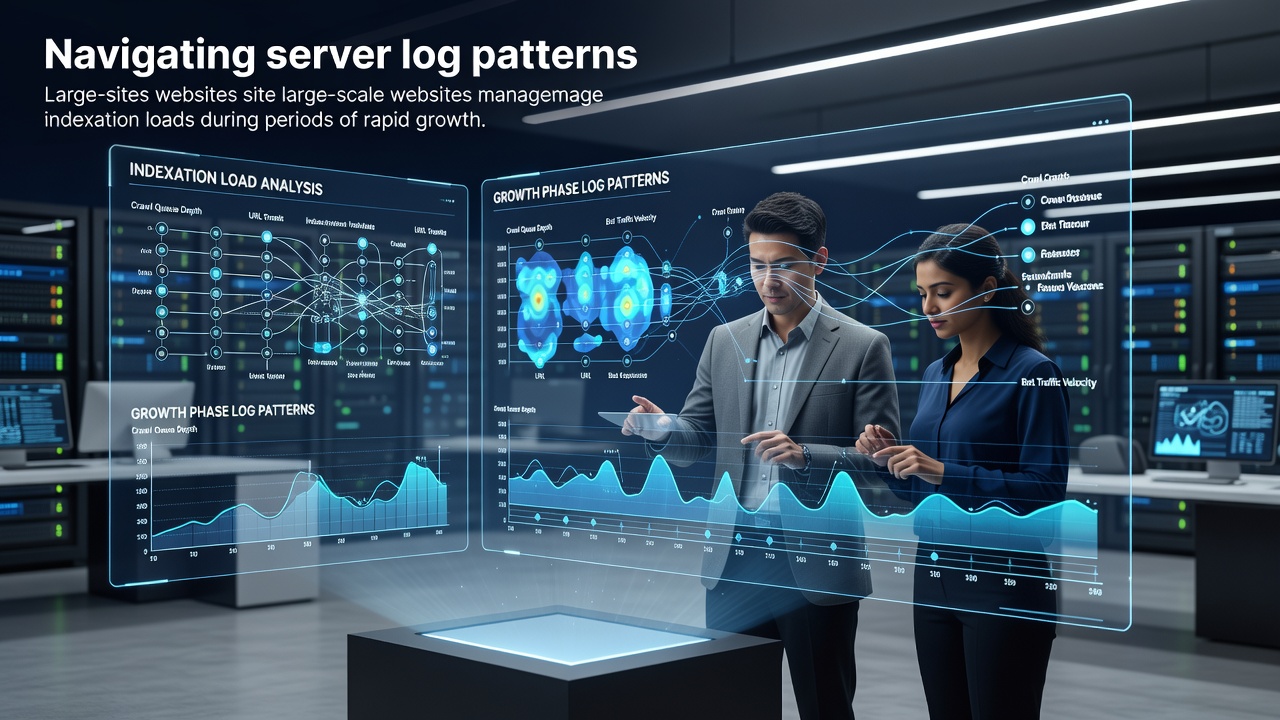
Large sites commonly record repeating sequences where mobile and desktop crawlers alternate priority based on device-specific URL structures, and these alternations become visible when logs are segmented by user-agent over multi-week periods. Observers note that September 2026 data sets from several enterprise deployments illustrated how sudden content expansions triggered temporary drops in crawl efficiency until sitemap updates and server capacity adjustments took effect. Those who've studied these records find that combining log data with rendering metrics often uncovers whether JavaScript-heavy pages are receiving adequate attention from indexing systems.
Take one researcher who noticed distinct clusters of HEAD requests preceding full GET crawls on rapidly growing e-commerce platforms, a pattern that later correlated with improved indexation of product variants after structural refinements. Experts have observed similar behaviors across different industries, suggesting that early identification of such sequences supports proactive resource allocation rather than reactive fixes after rankings shift.
Scaling Strategies Derived from Log Insights
Teams apply log-derived insights to implement rate-limiting rules for less critical sections while ensuring primary content areas maintain steady crawl access, and this selective approach helps balance server load without sacrificing overall indexation coverage. Data indicates that sites maintaining detailed log archives over successive growth cycles achieve more predictable scaling curves because historical comparisons highlight recurring pressure points. Researchers discovered that incorporating external signals, such as changes in competitor site activity, further refines these predictions when overlaid on internal log trends.
Conclusion
Server log navigation continues to serve as a foundational practice for managing indexation loads on expanding websites, with integrated platforms like Stoopluster enabling users to synthesize real-time inputs from varied sources into actionable overviews. Evidence from multiple regions confirms that systematic review of these patterns supports timely adjustments during growth phases, maintaining efficient crawler engagement as site complexity increases.